
Protective styling is often recommended for hair growth and retention, yet many people experience breakage, thinning edges, or scalp pain from styles meant to protect their hair. The issue is not protective styling itself—it is how the style is installed and maintained.
This article explains how braids, twists, and locs can truly protect your hair when done the right way.
What “Protective Styling” Really Means
A protective style is designed to reduce daily manipulation, limit exposure to environmental stress, and help retain moisture. However, a style is only protective if it supports the health of your scalp and hair.
Protective styling should:
- Minimize tension on the scalp
- Allow easy access for cleansing and moisturizing
- Be comfortable from the first day
Pain, soreness, or excessive tightness are signs the style is doing more harm than good.
Braids: Protection With Balance
Braids are one of the most popular protective styles, but they can quickly become damaging if installed incorrectly.
Healthy braiding practices include:
- Proper sectioning that does not strain the scalp
- Lightweight extensions where needed
- Avoiding overly tight edges and hairline stress
Styles like knotless braids and well-installed box braids offer protection without unnecessary tension.
Twists: Low Tension, High Impact
Twists are often gentler than braids, making them a great option for clients prioritizing comfort and scalp health.
For twists to be truly protective:
- Installation should feel light and flexible
- The scalp should remain visible and breathable
- Products should be minimal to avoid buildup
Senegalese twists, when done properly, combine elegance with hair-friendly techniques.
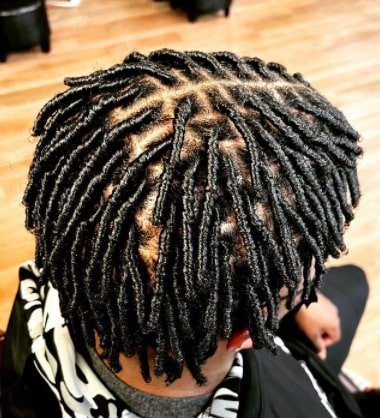
Locs: Long-Term Protective Styling
Locs are a long-term protective style that require proper foundation and ongoing care. When started or maintained incorrectly, they can lead to thinning or uneven growth.
Healthy loc practices include:
- Clean, consistent parting
- Low-tension retwisting schedules
- Regular cleansing and moisture balance
Locs should support growth, not restrict it.
How Long Should You Keep a Protective Style?
Keeping a style in for too long can cause matting, buildup, and breakage.
General guidelines:
- Braids and twists: 4–8 weeks
- Retwists: Based on hair growth and scalp condition
- Always cleanse and moisturize while the style is in
Protective styling still requires maintenance.
Professional Care Makes the Difference
Protective styles should feel intentional, not rushed. Professional installation ensures your style supports your hair’s health both short-term and long-term.
At 7Star, we focus on techniques that prioritize comfort, scalp health, and sustainable results.
Final Thoughts
Protective styling works best when it is gentle, well-maintained, and professionally installed. When done right, braids, twists, and locs can help you retain length, reduce breakage, and maintain healthy hair.
If you are unsure which protective style is right for you, book a consultation with 7Star and let us guide you toward the best option for your hair.